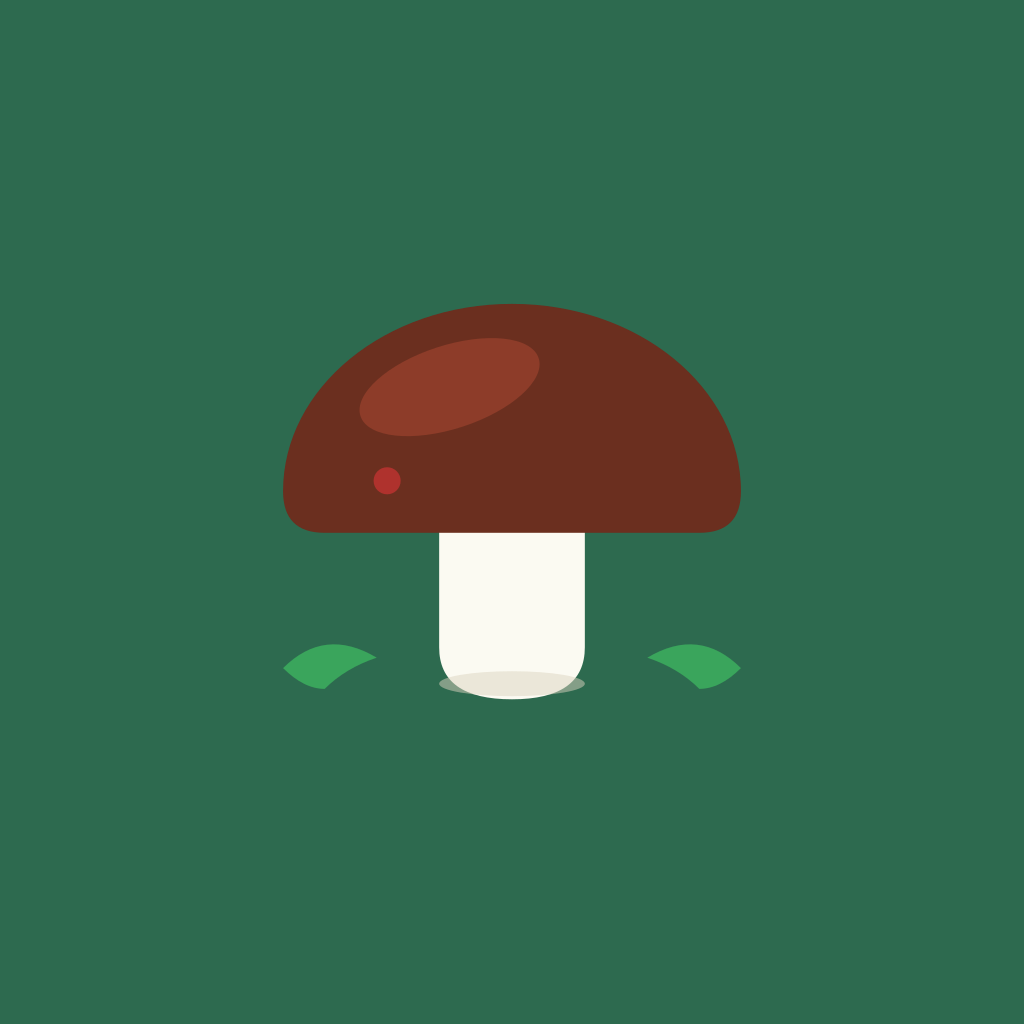
Species sheet · Porcini mushrooms
Pine Porcini Mushroom
Boletus pinophilus
The mountain red. Hat brick red / mahogany / wine red, often lumpy; robust.
- Excellent edible (cooked)
- May–Jun and September–November
Synonyms/dialect: pinicola, red porcini mushroom, pine porcini
On the field
How to recognize it
- 01
Hat from reddish brown to vinous-mahogany, sometimes wrinkled/hammered surface.
- 02
White, firm flesh, sometimes pink under the cuticle; it doesn't turnStrong perfume.
- 03
Massive stem, often with reddish tones and concolorous reticulum.
How is it different from other porcini mushrooms?
The only one with a dominant red-mahogany; related to mountain pines/firs; appears early in spring when the others are not yet there.
The right forest
Where and when to look for it
Woods
Conifers, especially pines and fir trees; even high-altitude beech forests.
Quota / exposure
Mountain, acidic soil; cold-resistant.
When
Bimodal — in late spring (May–June, one of the first) and again in autumn.
Safety (applies to all porcini mushrooms)
What can it be confused with?
Among the porcini mushrooms, there's no deadly double. The real risks: a bitter mushroom that ruins the dish and two boletes that cause discomfort. Defense is always the same: look at the pores and cut the mushroom.
Gall mushroom
Tylopilus felleusReticle on the stem dark and loose-knit, pores that turn to rose, meat very bitterA taste on the tongue gives it away.
Evil porcini mushroom
Boletus satanasWhitish hat, red stem, orange-red pores, turning blue, unpleasant old odor.
Dirty Bolete
Boletus luridusRed-orange pores, flesh that quickly turns blue to the cut.
The right mushrooms, eaten badly
The porcini mushroom raw It is slightly toxic even when it is the right species: rich in trehalose, that whoever has little trehalase cannot digest (nausea, bloating, diarrhea). always cooked, not in huge quantities, and discarded if old, parasitized or softened.
MushScout
Why this card is alive in MushScout
Porcini mushrooms are the species on which MushScout's model is calibrated. When you record a porcini mushroom—or a failed outing—in your area, the app learns your rainfall-to-birth rhythm for that forest and tells you when to return, based on your data and not a regional average.
▶ DOWNLOAD ONGoogle PlayCard Status
Draft written by MushScout, undergoing mycological validationThis is to help you identify a mushroom, not to certify it. Before eating any mushroom, have it checked in person by a mycologist or by the mycological inspectorate of your local health authority. Health information: ISS and Poison Control Centers.